How Long Does Lip Blush Take to Heal?
Last Updated: October 28, 2026
Quick Summary
Lip blush takes about two weeks to pass through the visible healing stages, but the true healed result takes four to six weeks to fully settle. Expect swelling and intense color first, then crusting and flaking around days 4 to 7, followed by patchy oxidation before the color settles.
- Swelling peaks in the first 24 to 48 hours and usually settles on its own with a gentle cold compress.
- Crusting and flaking hit around days 4 to 7, and the one rule is simple: do not pick.
- Patchy, uneven color in week two is oxidation, not a sign that something went wrong.
- Skip saunas, steam rooms, and hot yoga until the lips have fully healed.
- A touch-up is scheduled after the initial healing window closes so the artist sees the settled result.
Table of Contents
- What the Lip Blush Healing Process Actually Looks Like
- Lip Blush Healing Day by Day: The First Two Weeks
- How Long Does Lip Blush Take to Heal, Really?
- Lip Blush Aftercare Instructions That Protect Your Pigment
- Can You Wear Lipstick After Lip Blush?
- Troubleshooting: Cold Sores, Infections, and Uneven Color
- Keeping Your Lip Blush Looking Fresh Long Term
- Book a Consultation and Stop Guessing
- Frequently Asked Questions
What the Lip Blush Healing Process Actually Looks Like
Lip blush is a semi-permanent makeup treatment that implants soft pigment into the lips to restore color, definition, and symmetry. Healing moves through predictable stages over roughly two weeks before a final touch-up locks in the result. The biggest source of panic after a lip blush appointment isn't the procedure. It's day four, when the lips look nothing like the consultation photo.
Here's the part most guides skip: your lips will look worse before they look better. That's not a warning sign. That's the plan.
The rhythm goes: swelling and heavy saturation, then crusting and flaking, then patchy color and oxidation, then a slow settle into the true healed result. For a broader view, see what permanent makeup healing looks like day by day to set your expectations.
Lip Blush Healing Day by Day: The First Two Weeks
The lip blush healing day by day timeline runs about 14 days from appointment to settled color, with the most dramatic changes in the first week. Most clients return to normal social plans within a few days, though the lips keep evolving long after the swelling is gone.
Days 1 to 3: Swelling, Saturation, and the Overnight Change
Expect intense color on day one, sometimes almost alarmingly so. That's normal. Fresh pigment sits in the upper dermal layer, and the lips are still holding lymphatic fluid, so saturation reads much stronger than the final result will.
Swelling peaks in the first 24 to 48 hours and usually settles on its own; a gentle cold compress in short intervals helps. By day three, the puffiness is fading and the color starts to feel less like a statement and more like a shade.
Days 4 to 7: Crusting, Flaking, and the Awkward Middle
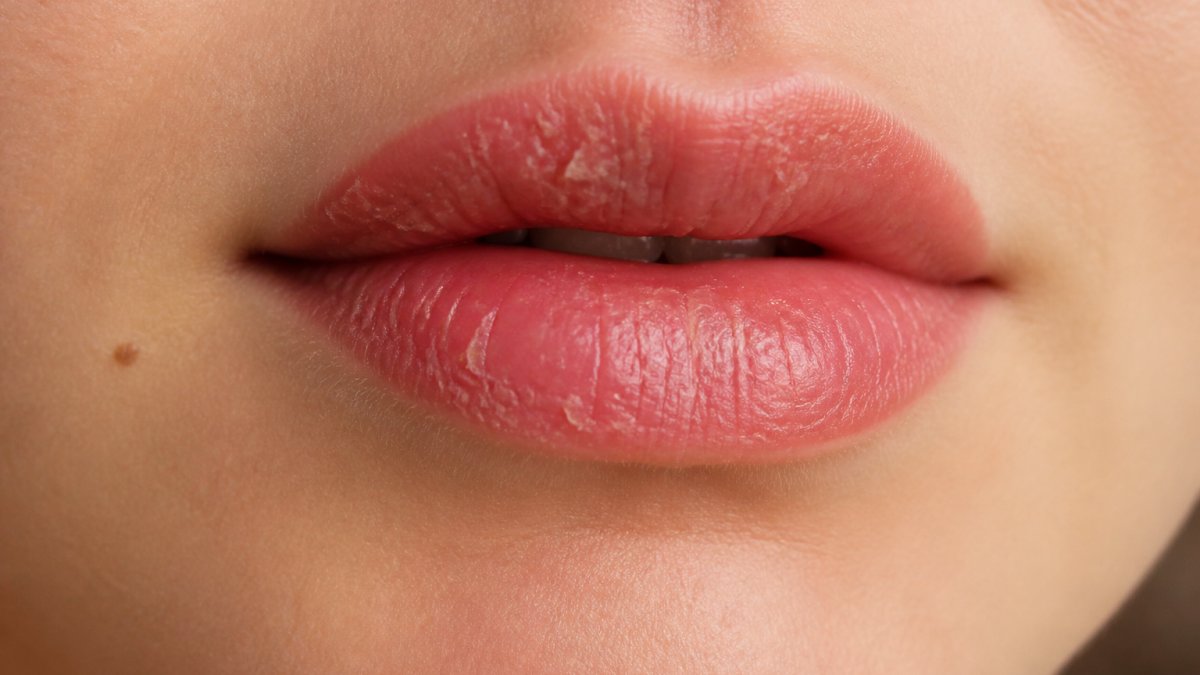
This is the stretch that surprises people. Crusting and flaking begin as the epidermis renews itself, and the lips feel tight, dry, and uneven, with small flakes lifting at the edges.
The rule here is simple: do not pick. It's unglamorous, and temporary.
Days 8 to 14: Patchy Color and Oxidation
By the second week, most flaking has passed and color enters oxidation, where pigment shifts and lightens as it settles into the skin. Lips may look patchy, uneven, or noticeably softer than the day-one result.
This is where panic calls usually happen. Patchiness at this stage is expected, not a sign that something went wrong. The true healed result keeps developing for weeks after day 14, and a touch-up refines any uneven areas once the skin has fully settled.
How Long Does Lip Blush Take to Heal, Really?
Lip blush takes about two weeks to pass through the visible healing stages, but the true healed result takes four to six weeks to fully settle. Surface healing and pigment settling are two different clocks, and confusing them is the most common reason clients think their color "disappeared."
The two-week mark is when crusting, flaking, and peeling are done. The four-to-six-week mark is when the dermal layer has finished its work and the color you see is the color you keep.
For anyone weighing the investment against the timeline, a closer look at whether lip blush is worth the cost helps put the healing window in perspective.
Here's the short version of the two clocks running at once.
| Milestone | Timeframe | What's happening |
|---|---|---|
| Visible healing stages | About two weeks | Crusting, flaking, and peeling are done |
| True healed result | Four to six weeks | Dermal layer finishes and color settles |
| Touch-up timing | After initial healing window closes | Artist sees the settled result, not mid-healing |
| Swelling peak | First 24 to 48 hours | Settles on its own; cold compress helps |
| Crusting and flaking | Days 4 to 7 | Lips feel tight, dry, and uneven |
| Oxidation and patchiness | Days 8 to 14 | Pigment shifts and lightens as it settles |
Lip Blush Aftercare Instructions That Protect Your Pigment
The gap between a smooth recovery and a stressful one often comes down to unglamorous details, what you eat, what you drink, how you sweat, and what's actually in your balm. For the studio's official guidance, explore aftercare tips from Wink Ink Studios to help care for your lashes, brows and permanent makeup as they heal.
A practical daily routine looks like this:
The First 72 Hours: Eating, Drinking, and Moving Without Wrecking Your Lips
This is the stretch most guides gloss over, and where clients have the most questions.
What to Avoid While Your Lips Are Healing
Exfoliation is off the table until the lips have fully healed, no scrubs, acids, or at-home peels near the mouth. Makeup on or around the lips waits until the surface has closed, and active-ingredient lip products wait longer still.
Read Your Balm Label: Ingredients That Help and Ingredients That Hinder
Not all aftercare balms are created equal, and what's in the tube matters as much as how often you use it. A few ingredient categories are worth knowing:
A Note on Sun, Sweat, and Saunas
UV light is the single biggest long-term threat to pigment, but in the first two weeks it's also a healing hazard. Keep your face out of direct sun, wear a hat, and once the surface has closed, use a lip-safe SPF. Saunas, steam rooms, and hot yoga are off the menu until the lips have fully healed, the heat and sweat combo is a recipe for irritation and patchy color. Think of it as a two-week vacation from your most intense wellness habits. Your lips will forgive you.
Can You Wear Lipstick After Lip Blush?
The waiting period isn't about vanity, it's about the dermal layer finishing its work without disruption. Once the lips are no longer crusting or flaking, a plain, hydrating product is usually fine, and most clients find they need far less color anyway. That's rather the point: waking up with lip color already in place, not swapping one daily routine for another.
Troubleshooting: Cold Sores, Infections, and Uneven Color
Cold sores are the complication most worth planning for, and the one most guides gloss over. If you've ever had a cold sore, you carry the virus, and a lip procedure is a known trigger, the needle trauma, the stress of the appointment, and the sun exposure afterward can all wake it up. This isn't a reason to cancel. It's a reason to plan ahead.
Cold Sores: Plan Before, Don't Panic After
If an outbreak does happen, it usually shows up in the first few days after the procedure, small, tingling bumps that turn into blisters. It's uncomfortable and it can affect pigment retention in the affected area, but it's manageable. Contact the studio and your healthcare provider promptly; antiviral treatment works best when started early. Don't pick at the blisters, and keep the area clean. The touch-up appointment is the time to address any pigment that didn't take in those spots.
Infection vs. Normal Healing: Know the Difference
Signs of infection differ from normal healing. Normal healing includes swelling, tenderness, and flaking, annoying, but expected. Infection typically brings spreading redness, increasing pain after the first few days, pus, or fever, and warrants prompt medical attention rather than a wait-and-see approach. If something feels off, not just uncomfortable, but wrong, trust that instinct and make a call. Valerie would rather answer a worried message at 9 p.m. than have a client sit on a problem.
Uneven Color: Usually a Settling Issue, Not a Medical One
If you're unsure whether you're a suitable candidate in the first place, the studio's permanent makeup eligibility guidance walks through the considerations for lip blush and brow services before booking.
Keeping Your Lip Blush Looking Fresh Long Term
A touch-up appointment refreshes saturation and corrects any areas that have faded unevenly. Most clients schedule one periodically to keep the result looking intentional rather than letting it fade to a whisper. Think of it as maintenance, not a do-over.
Book a Consultation and Stop Guessing
Reading about healing is useful. Every client's healing experience is a little different.
Wink Ink Studios, led by Valerie, a certified permanent makeup and lash artist, offers customized services designed to complement each client's face shape, skin tone, and lifestyle, with strict sanitation standards and premium products. Explore the lip blush service and book a consultation to see what's involved and get your questions answered directly.
The difference between a smooth two weeks and a stressful one usually comes down to knowing what's normal and having someone to ask when it isn't. Get started with Wink Ink Studios and walk in with a realistic timeline, a personalized plan, and a certified artist who answers the awkward questions without flinching.
Frequently Asked Questions
How long does lip blush take to heal?
Surface healing takes about 7 to 14 days, but the full lip blush healing process runs roughly 4 to 6 weeks. During that time the pigment settles into the dermal layer, the color oxidizes, and you see the true healed result. Most artists schedule a touch-up appointment around the 6 to 8 week mark to fine-tune shape and saturation once everything has settled.
What does lip blush healing look like day by day?
Day 1 is swollen and very saturated. Days 2 to 3 often look darker than expected as oxidation sets in. Days 4 to 7 bring crusting and flaking, and you should not pick at it. Days 8 to 14 the color looks patchy and lighter than the final result. Weeks 3 to 6 the pigment resurfaces and evens out. A day-by-day photo log helps you track progress without panicking mid-heal.
Is it normal for lip blush to look darker at first?
Yes. Fresh pigment sits on top of the skin and the color always reads more intense in the first few days. Oxidation, where the pigment reacts with air and shifts slightly cooler or warmer, adds to that. Expect the shade to soften by 30 to 50 percent once healing finishes. If you are worried, ask your artist for a healed photo of a client with a similar skin tone.
Can you wear lipstick after lip blush?
Not during the first two weeks. Your lips are an open healing surface and makeup can introduce bacteria. Once flaking has fully stopped and the skin feels smooth, usually around day 14, a gentle lipstick is fine. Avoid matte long-wear formulas and anything with strong fragrance for the first month, and always cleanse your lips well before bed.
What should you avoid after a lip blush tattoo?
Skip spicy food, hot drinks, alcohol, and straws for the first week. Avoid kissing, swimming, saunas, and intense exercise for at least 7 days. Do not pick or exfoliate your lips, and keep them out of direct sun. Follow your artist's aftercare balm schedule and keep the area clean. If you are prone to cold sores, ask about antiviral prophylaxis before your appointment.
When do lips start peeling after lip blush?
Flaking usually begins around day 4 and peaks between days 5 and 7. The skin comes off in thin, dry pieces rather than a dramatic peel. Let it shed on its own. Picking at the flakes can pull pigment out of the dermal layer and leave you with patchy spots that need a touch-up to correct.